
Protect island communities by conserving ecosystems and improving livelihoods
“Mangroves are good for us because they help prawns grow. This project is empowering women in this community. I’m proud of what I’ve done.”
– Sri Lankan Volunteer Preserving Mangroves with Seacology
Location: Globally, across 400+ project sites
Seacology protects island ecosystems by supporting conservation projects that benefit both the local island community and their surrounding natural ecosystem.
The organization funds high-priority projects, like schools, clinics, and tools for income-generation, in exchange for conservation commitments, ensuring biodiversity while improving island residents’ quality of life.
Each year, Seacology selects 25 to 30 projects and collaborates with a partner to implement them. For example, in Quenac Island in Chile, the organization has funded the purchase of machines that recycle plastic into objects local women can sell, like phone cases and buttons. In exchange, the community gathers plastic trash generated from the fishing industry and distributes materials on the effects of plastic waste.
Due to the diverse nature of its over 400 projects, the environmental and community benefits of each individual project are unique to the island community it serves.
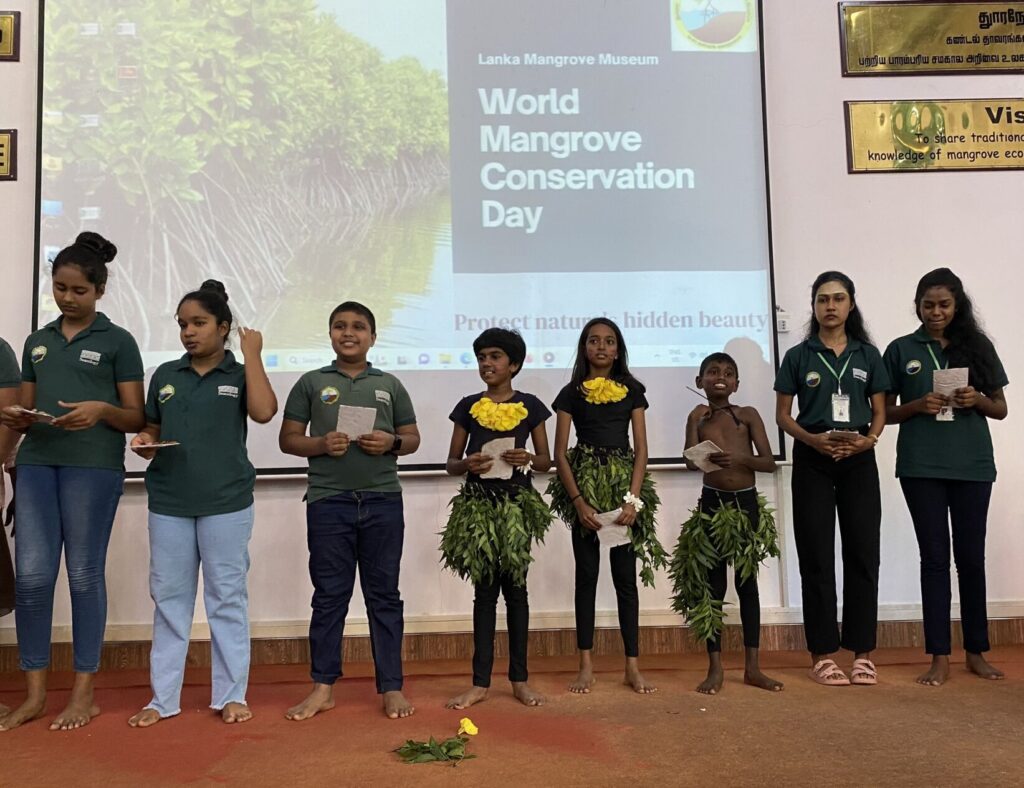
For example, recognizing the vital role of mangroves in sequestering carbon and providing protection from extreme weather events, Seacology partnered with the Sri Lankan government to launch a mangrove conservation project. That project protects 21,782 acres of mangrove forests with 7,900 women and youth trained in their conservation.
Because mangrove roots provide a habitat for shrimp, preserving the mangroves also positively affects the millions of people who depend on shrimp farming for their livelihoods and food security.
Learn more: https://www.seacology.org/
More ways to help
For more organizations working to protect the environment, see Pristine Seas, which works to restore the health and productivity of the ocean, and EcoRise which works with schools to create conservation projects.