
Align incentives so that environmental protection brings concrete economic benefits to the communities directly affected
Nonprofits exemplify this practice by:
- Creating and preserving livelihoods through conservation efforts
- Providing eco-friendly, cost-effective alternatives to destructive practices
- Tapping into community knowledge on the natural environment and local behavior


Human actions shape and often harm the environment, while environmental issues such as droughts, floods, and storms often harm communities, creating interconnected challenges.[1] Protecting natural resources requires understanding and engaging with both sides of this relationship — how human activities affect our environment, and how the environment affects human well-being.
Traditional environmental conservation efforts can displace local communities and restrict their access to resources, rather than create solutions that protect the environment for future generations without threatening livelihoods.[2] When people benefit socioeconomically, environmental initiatives are more effective because they increase community buy-in and long-term program success.[3]
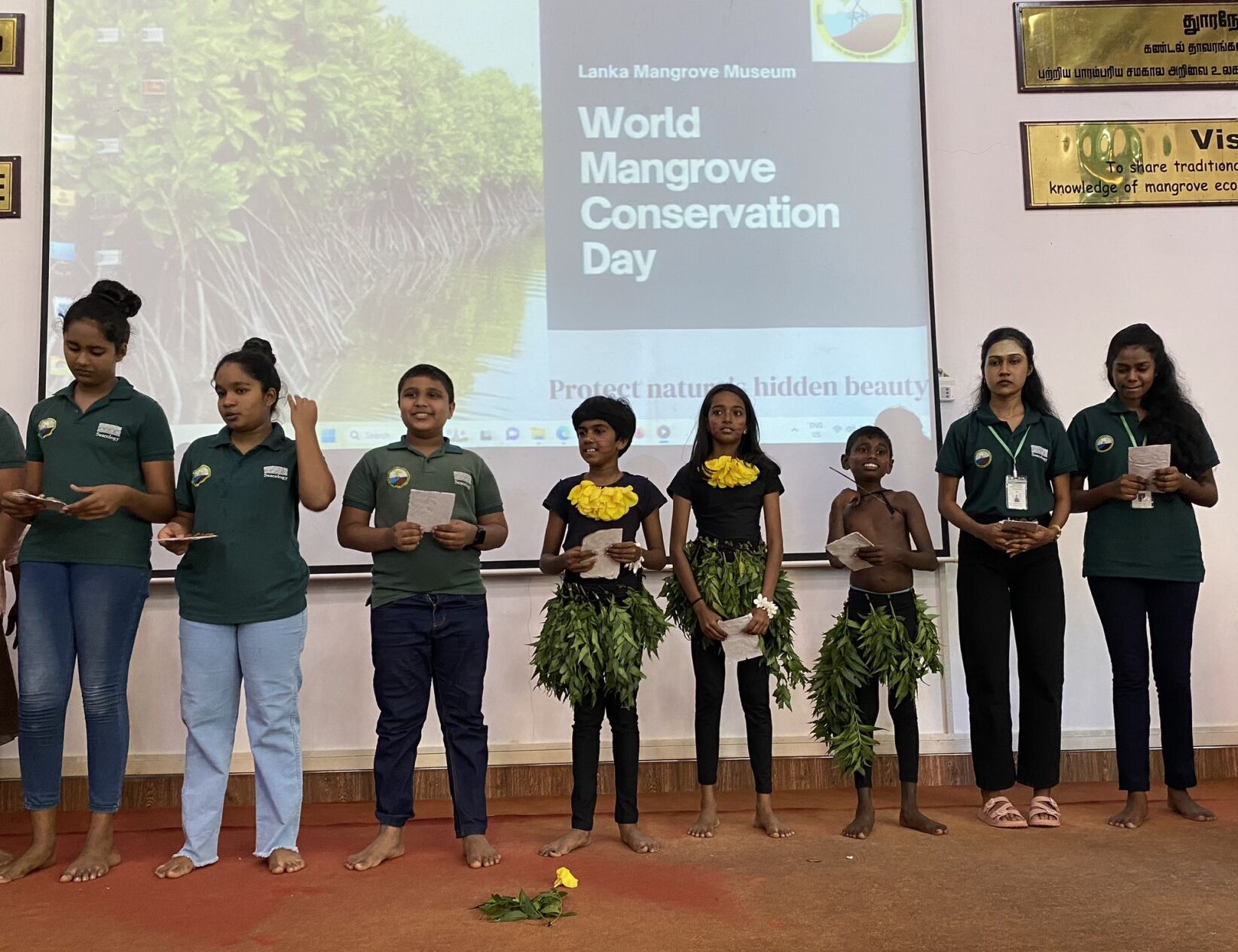
For example, Seacology protects island ecosystems by funding community priorities, such as schools or materials for income-generating activities, in exchange for conservation commitments, like protecting forests.
Similarly, practices that are harmful to the environment, like burning trash or using fuel that worsens air quality, persist when they are the least expensive option. To change behavior, successful interventions must provide alternatives that are lower cost.
For example, BleagLee, an organization that fights pollution in Cameroon by collecting and repurposing waste, prices their clean-burning fuel blocks cheaper than charcoal, leading to widespread adoption and reduced air pollution.
In Madagascar, ADES sells inexpensive eco-friendly cookstoves that require less or no fuel to operate, making them more cost-effective than wood- or charcoal-burning stoves that contribute to air pollution and deforestation.
Involving community members in planning processes means they feel a sense of ownership and are more likely to continue an intervention long-term, even when an organization is no longer directly involved.[4]
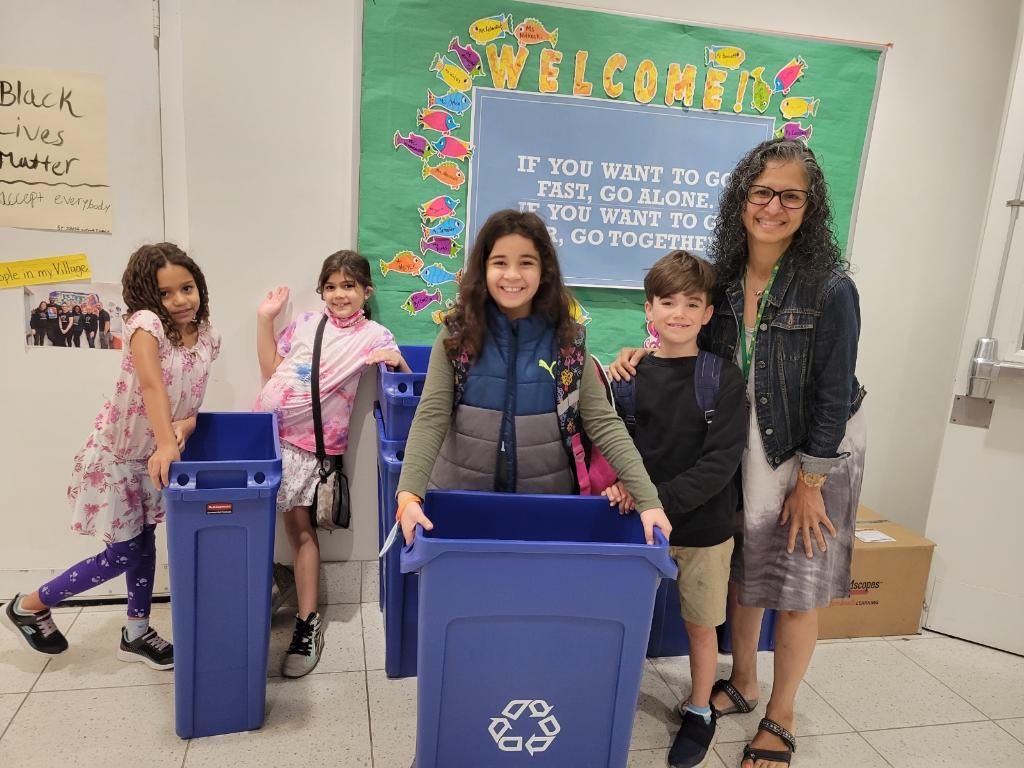
For example, EcoRise, supports students in designing projects to improve the sustainability of their schools. Because students design and implement the projects themselves, projects often continue even after EcoRise involvement ends.
What follows are more detailed profiles of these four organizations. All are real-world examples of how to implement these practices.
Notes
[1] Oxfam America. (2025, April 30). Climate change and inequality. https://www.oxfamamerica.org/explore/issues/climate-action/climate-change-andinequality/
[2] Bouyé, M., & Waskow, D. (2021). Climate Action Isn’t Reaching the Most Vulnerable—But it Could. https://www.wri.org/insights/how-climate-action-can-help-vulnerable-populations
[3] Jack, B. K., Kousky, C., & Sims, K. R. E. (2008). Designing payments for ecosystem services: Lessons from previous experience with incentive-based mechanisms. Proceedings of the National Academy of Sciences, 105(28), 9465–9470. https://doi.org/10.1073/pnas.0705503104
[4] Shandas, V., & Messer, W. B. (2008). Fostering Green Communities Through Civic Engagement: Community-Based Environmental Stewardship in the Portland Area. Journal of the American Planning Association, 74(4), 408–418. https://doi.org/10.1080/01944360802291265